CAPS Explained: A Parent's Guide to South Africa's Government Curriculum
What CAPS actually is, what your child is expected to learn at each grade, and how to support them at home — without doing the homework for them.
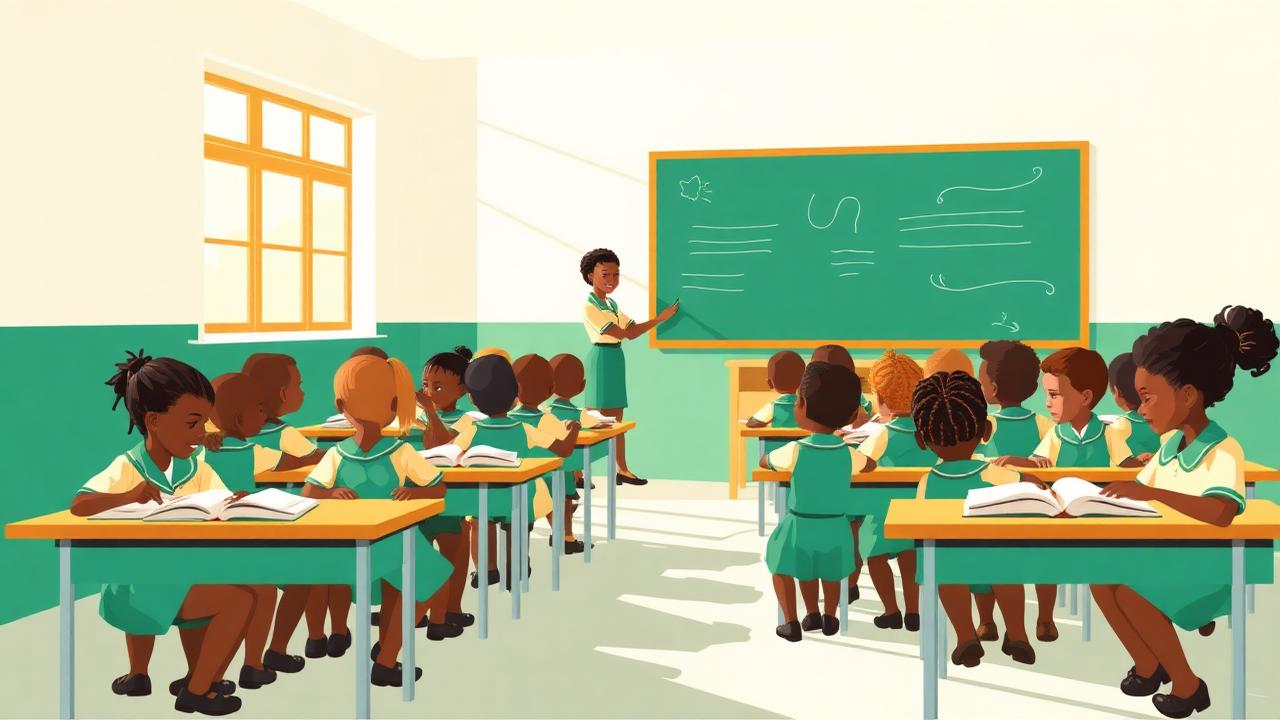
CAPS stands for the Curriculum and Assessment Policy Statement. It's the official curriculum used by every public (government) school in South Africa, from Grade R right through to Grade 12. If your child attends a no-fee or fee-paying government school, they're following CAPS.
CAPS specifies, in detail, what teachers must teach in every subject, every term, and how learners are assessed. The Department of Basic Education sets the content; teachers adapt the delivery. This makes CAPS very predictable: a Grade 5 learner in Khayelitsha and a Grade 5 learner in Polokwane should be covering broadly the same Maths topics in the same week.
Strengths: CAPS is free, nationally aligned, and writes the National Senior Certificate (NSC) matric — the most widely recognised school-leaving qualification in South Africa. Universities know it well, and bursaries and NSFAS funding are built around it.
Common parent concerns: CAPS classes can be large (40+ learners), pacing is fixed, and a child who falls behind in Term 1 often struggles for the rest of the year because the curriculum keeps moving. This is exactly where one-on-one support — a tutor, a parent, or an AI companion — makes a measurable difference.
How to support a CAPS learner at home: ask to see their ATP (Annual Teaching Plan), know which term-test is coming next, and focus your attention on the two or three concepts they're shakiest on rather than re-doing everything. Max Claw maps every conversation to the CAPS topic and grade, so when your child asks 'help me with fractions', it teaches at exactly the right level.
Bottom line: CAPS is solid, well-documented, and the route most South African families take. The challenge isn't the curriculum — it's giving each child enough individual attention inside it.
Want Max Claw for your child?
Join the waitlist and we'll send you an early-access invite.
Join the waitlistContinue reading